
Problematic Alcohol & Drug Use
What once may have been enjoyable and/or useful is now making things worse.
When substance use becomes problematic

Most people’s relationship with alcohol and other substances is complicated. At a basic level people use substances to change how they feel. Their reasons for wanting to change how they feel are varied and include: feeling less socially awkward, enhancing positive feelings, quieting anxiety and stress, or simply wanting to feel less bad about their current situation (e.g. relationship, financial, feeling stuck, etc.). And we are also certainly affected by the substance use of people around us. Last but not least our genes, and our cumulative life experiences predispose some of us to be more likely to develop problems with substance use.
Heavier use of substances grow tolerances, and increases of substance are needed to achieve the desired effects.
Further complicating substance use are the effects heavier use has on our brains. What once was a want can readily feel like a need. Many substances also flood the reward centers of the brain, and heavy use can rewire the brain to find other activities less pleasurable.
Heavy use of substances often leads to significant negative consequences, where substance can negatively effect the lives of users, and those around them.. These consequences can include: damage to relationships, impacts on job performance which can lead to job loss, physical and mental health problems, and even legal consequences.
The good news is change is possible, and with focused effort you can change your relationship with substances including fully abstaining, and rebuild a fulfilling and meaningful life.
“Between stimulus and response there is a space. In that space is our power to choose our response. In our response lies our growth and freedom. “ - Victor Frankl

You Don’t Have to Handle This Alone
Many people have tried many times to quit using substances before they find lasting success. Some have tried various popular approaches and found they are not a good fit for them. Realizing you will have better success if you don’t try to tackle this alone is a significant milestone for many. Help is available.
My Approach to Substance Use Counseling
Your goals are what matters most. That is where we will start and end. For many the primary goal is abstaining from alcohol and drug use, and this is a great place to start. But also critically important is building a life that is meaningful to you and that you enjoy.
Very frequently substance are used to cope with difficult feelings or situations, but this too often may make worse or mask other mental health concerns such as depression, anxiety, trauma processing, relationship difficulties, etc. So as we work together on your goals of eliminating or reducing harm from substance use, when helpful we will also want to work on underlying concerns that also need attention and support.
The ways we will work together in therapy
There are many methods that we can use to work together to reach your goals. Here are some methodologies that we can use:
-
Supports you in accepting what’s hard while still showing up for what matters- your baby, your values, and yourself.
-
People seek counseling for substance use when they begin to recognize the costs and consequences of using are getting worse, and/or the perceived benefits of using are diminished. Maintaining this motivation to change is critical to ongoing success.
-
Builds skills for emotion regulation, mindfulness, interpersonal effectiveness and distress tolerance. These are especially helpful when you feel like your reactions are “too much.”
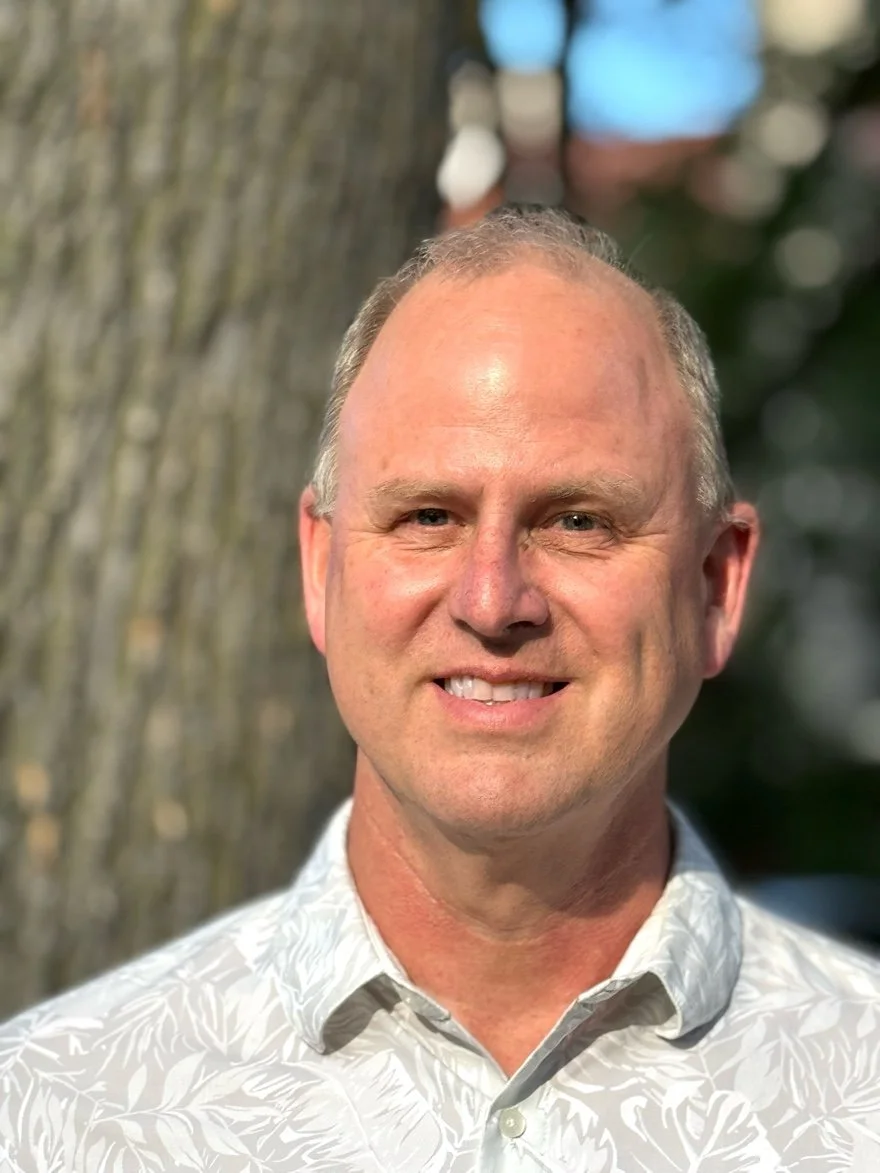
About Me
Hi, I’m John.
I am very interested in people, learning about their journeys, how their experiences/situations have contributed to their choices, and exploring together where they want to go from here. Clients tell me I have a calming influence, am a good listener, and they notice that I genuinely care.
Education & Credentials
Master’s Degree from UW-Milwaukee in Clinical Mental Health Counseling.
Bachelor and Master’s Degrees in Cognitive Science from UW-Madison
Certificate in Trauma Informed Care.
Specialization in Substance Abuse Counseling.

Getting Started Together
Integer sodales erat sit amet tortor convallis, non viverra orci varius. Curabitur id urna vel libero dignissim tincidunt. Nunc vehicula, arcu vel consectetur, sapien magna fermentum turpis, at ultricies justo nunc at erat. Fusce sed arcu in justo luctus convallis a ut odio. Suspendisse a dui ve.
Nullam blandit eros non velit fermentum, ac tincidunt dolor lobortis. Aliquam congue, velit at efficitur aliquet, justo nisi molestie lectus, sed pellentesque ex.