Anxiety, Panic and OCD
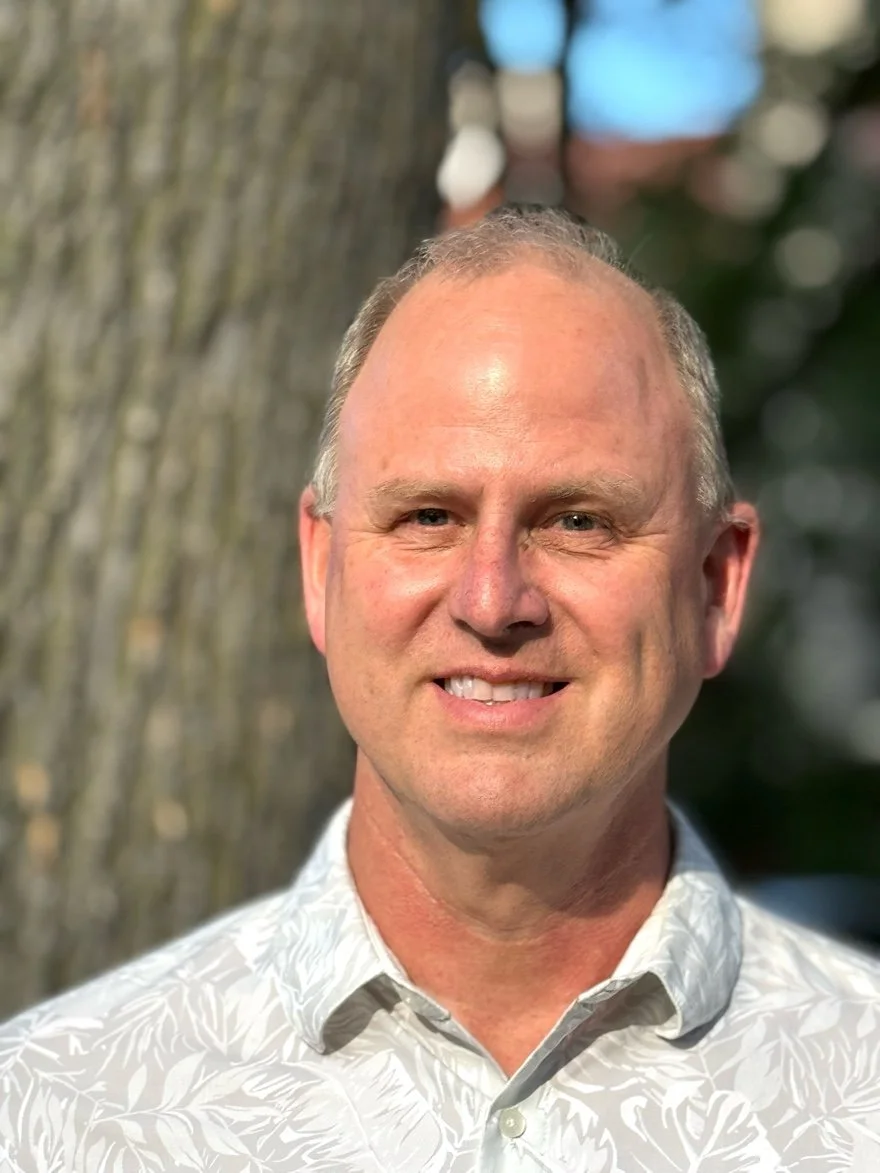
with John Stampen, MS, LPC-IT
Is Anxiety getting in your way?

Anxiety can show up as racing thoughts, difficult emotions, physical tension, or an urge to avoid what feels frightening. Sometimes it serves a useful purpose, alerting us to possible danger. But when anxiety begins to shape your choices or make everyday life harder, you don’t have to keep struggling with it alone.
Therapy can help you build a different relationship with anxiety. Together, we can practice noticing and naming what’s happening, understanding whether the alarm is helpful, and making room for anxious feelings without letting them take over. As you learn to respond with greater curiosity and flexibility, anxiety may feel less overwhelming—and you can move toward the life you want.

Make Room for Panic. Reclaim Your Life.
Panic can make your own body feel like a threat. The racing heart, tight chest, and rush of fear can leave you focused on one thing: making the feelings stop. But struggling to control anxiety can sometimes keep you caught in a cycle of fear and avoidance.
Acceptance and Commitment Therapy (ACT) offers another way. Instead of treating anxiety as an enemy or a problem you must solve before life can continue, therapy helps you notice anxious thoughts and sensations without letting them dictate every choice. With practice, you can meet panic with greater willingness and self-compassion—and keep moving toward what matters to you, even when anxiety is present.
This isn’t about liking panic or giving up. It’s about learning that fear can rise and fall without running your life. As psychologist Steven C. Hayes put it during his own struggle with panic disorder and agoraphobia: “I will not run from me.”
With support, you can build psychological flexibility, respond to yourself with kindness, and make more room for a meaningful life beyond panic.

““Be kind, for everyone you meet is fighting a hard battle.”
OCD: Face the Fear. Choose What Matters.
OCD can make intrusive thoughts feel urgent—and compulsions can seem like the only way to get relief. Exposure and Response Prevention (ERP) helps you gradually face situations, thoughts, or sensations that trigger OCD while practicing not doing the compulsion. Over time, you learn that uncertainty and distress can be tolerated without rituals. Acceptance and Commitment Therapy (ACT) can support this work by helping you notice thoughts without treating them as commands, make room for uncomfortable feelings, and reconnect with what matters to you. Together, ACT and ERP offer a compassionate, practical approach: you practice facing OCD fears while choosing actions based on your values—not OCD’s demands. Treatment is paced collaboratively with a therapist, with exposures tailored to your needs and goals. ERP is among the best-studied treatments for OCD; ACT can complement ERP by supporting willingness and values-based action.
Discover tools that we can hone together.
Therapy is a place that can facilitate change. It is most often a safe place to reflect, explore and grow
Skills You’ll Gain:
Observing Self - A key to making any change is understanding both where you want to go, and where you currently are, and what needs to change. This all starts with becoming a good observer of your self and others.
Accepting without judgment: We can’t control what thoughts and feelings show up, but we can change our relationship to these. Feelings are temporary in nature, and thoughts often aren’t fully accurate. Learning to be comfortable sitting with our thoughts and feelings while deciding how best to respond
Evaluating thoughts and feelings based on their usefulness: Thoughts and feelings are trying to tell us something. Sometimes what they have to say is very useful, and other times they actually can b
Unhooking: Vivamus interdum turpis at metus ullamcorper, at auctor eros viverra.
Refocusing on what matters: Fusce posuere urna id ante interdum, ac cursus felis.
What Therapy With Me Is Like
Driven by you - We will go where you want to go. My primary focus is to help you move towards your goals.
Practical - Not all things work for all people. We will explore different approaches and zero in on what works best for you.
Safe and supportive - Therapy often works best when it is a place of calm in the storm and a safe place to explore and grow.
Values based - As the song goes, “You can’t get what you want, until you know what you want.” People generally feel better when they spend time on activities aligned with their values.
Insightful (hopefully!) - It can be very useful to connect current challenges to our past experiences to better understand where we are coming from, and what changes will be most helpful.
About Me
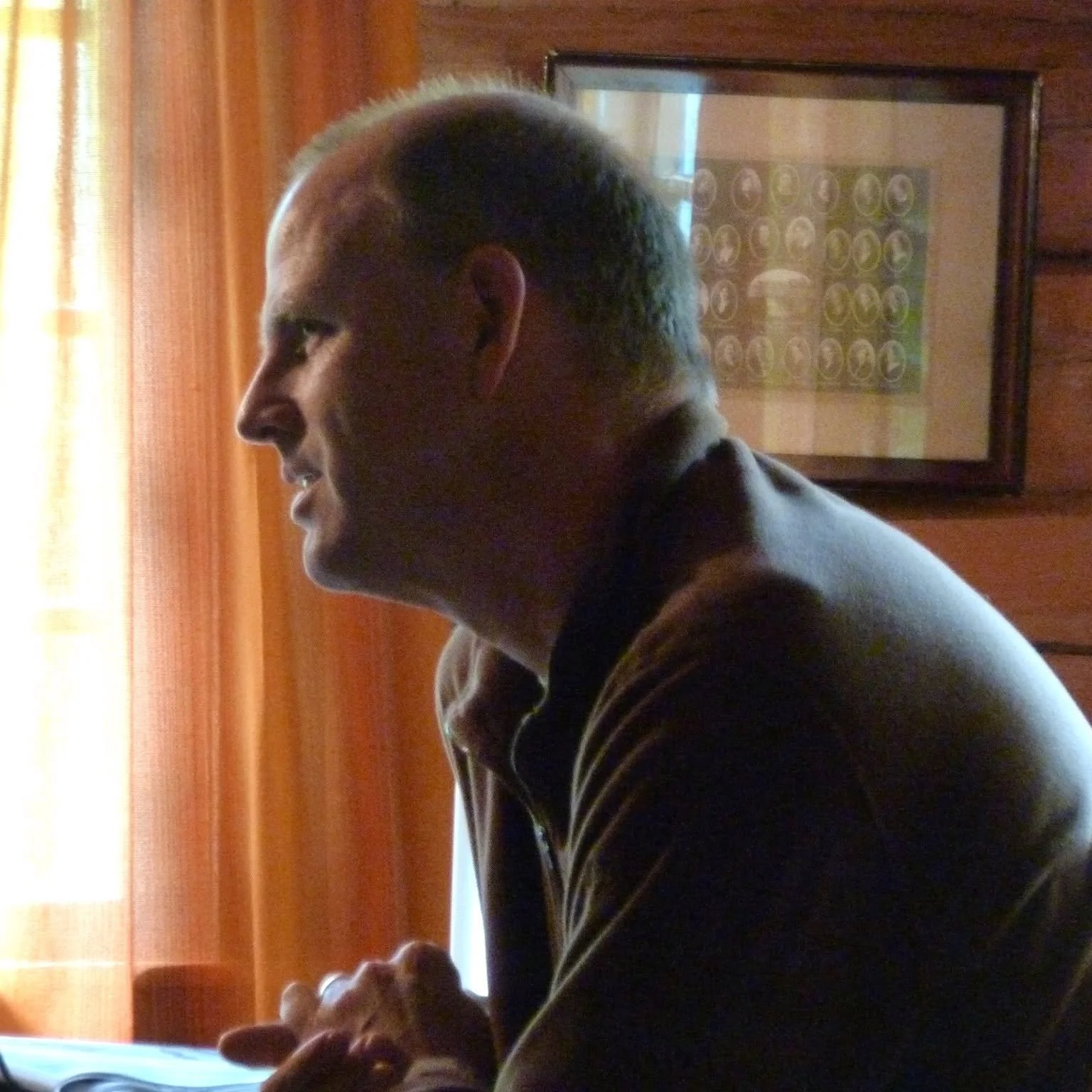
I am very interested in people, learning about their journeys, how their experiences/situations have contributed to their choices, and exploring together where they want to go from here. Clients tell me I have a calming influence, am a good listener, and they notice that I genuinely care.
Master’s Degree from UW-Milwaukee in Clinical Mental Health Counseling.
Bachelor’s and two Master’s Degrees from UW-Madison
Certificate in Trauma Informed Care.
Specialization in Substance Abuse Counseling.
Education & Credentials
Get Started in 4 Steps
-
Reach out using the contact form. Share a bit about what’s bringing you to therapy- no need to overthink it. I’ll get back to you with next steps.
-
After receiving your contact, options will be provided for having a consultation or directly scheduling an appointment.
-
If we decide to work together, in our first full session, we’ll dive into what’s been feeling stuck or painful. I’ll help you both slow things down, name what’s not working, and begin mapping a path forward.
-
We’ll work together weekly to help you move towards your goals, heal past injuries, and create more connections. Every step is tailored to you.
I enjoy working with people and would be glad to meet you, learn what brings you to therapy, and explore where you want to go from here.